Plug-in solar can reduce the electricity you buy from your power company. But kits are not all the same. Some come with panels and an inverter. Some sell the battery or inverter alone. This guide shows what comes in the box, what costs extra and what could make a kit wrong for you.
We checked prices on Oct. 5, 2026. We used manufacturer documentation and product pages. We have not tested these products.
Which kind do you need?
If you…
Look at…
Need panels and an inverter
Panel kits. Check that mounts and cables come with them.
Want to save solar power for later
Battery systems, plus panels and parts that work with them
Already own panels
An inverter that the maker says works with your panels
Words to know
Panel: Turns sunlight into power.
Inverter: Changes panel power into the kind your home uses.
Watts (W): How much power something can make or use at one time.
Kilowatt-hours (kWh): A measure of energy. For a battery, it describes storage capacity.
Power outages: Don’t count on a plug-in kit for backup unless the maker says it can do that. See our battery guide.
These prices are for the equipment only. Shipping, tax, extra parts and an electrician can add to the cost. If a kit needs a paid membership, we added the first year to the price.
An electrician must install the gateway. That costs extra.
A closer look
Panel ratings describe power under test conditions; actual production varies. Inverter ratings describe AC output. Neither tells you how much energy you will get in a year or how much you will save.
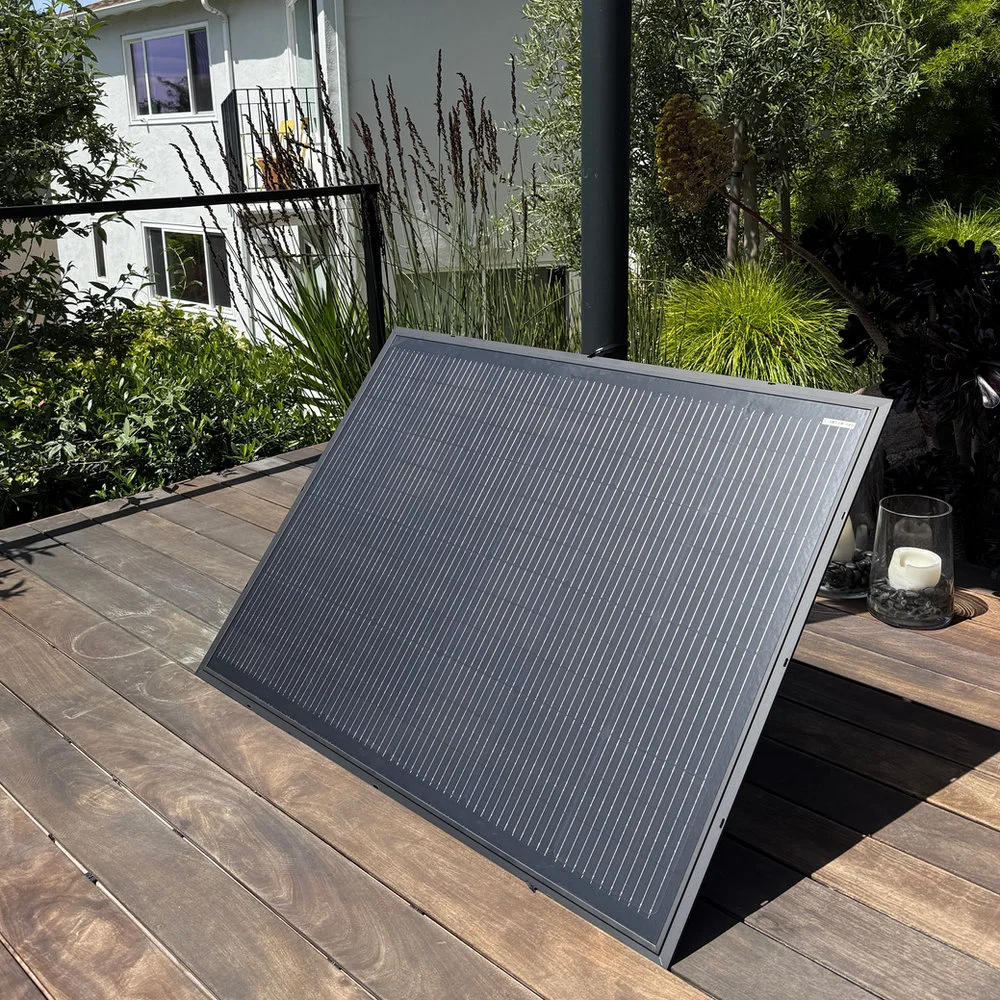
Bright Saver: one or two panels
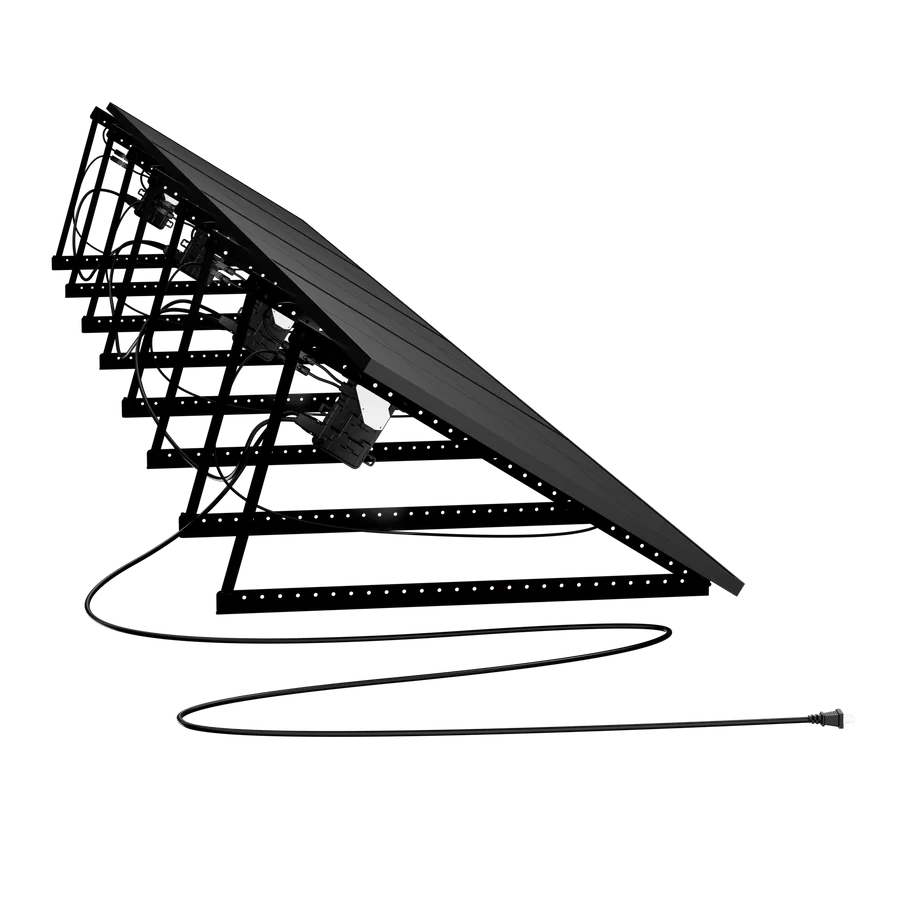
One panel shown. The inverter, cord and mounting ties are not pictured. Photo: Bright Saver ↗
What you get: A panel kit with an inverter, a 15-foot cord and steel ties for mounting. The two-panel kit also has a Y-cable to join the panels.
Why you might pick it: It’s the lowest price here for a kit that comes with panels.
Prices:
One 180W panel: $314.30 with the first year of membership. It’s $499.00 without membership.
Two 180W panels: $443.17 with the first year of membership.
What’s the membership? Bright Saver is a nonprofit. Members pay $29 a year. In return, they can buy kits at what the kits cost Bright Saver, with no markup. Bright Saver says:
You must be a member on the day you buy to get the lower price.
You don’t have to renew. Your kit keeps working if you stop paying.
One membership covers more than one kit.
Membership money pays for its work to change state solar laws.
Watch out for:
Check that Bright Saver delivers to your state and that the kit meets the requirements for your home.
We did not establish the return terms from the product page. Get them before you order.
Other mounts and setup work cost extra.
The inverter is rated at 360W AC. Each panel is rated at 180W DC under test conditions; actual output varies.
Battery: None offered.
Power outage: The seller says the kit stops working.
Before you buy: Bright Saver links certification information for the inverter, but says the complete kit does not currently have whole-system UL 3700 certification. Ask for the documentation covering the exact kit before relying on a certification claim.
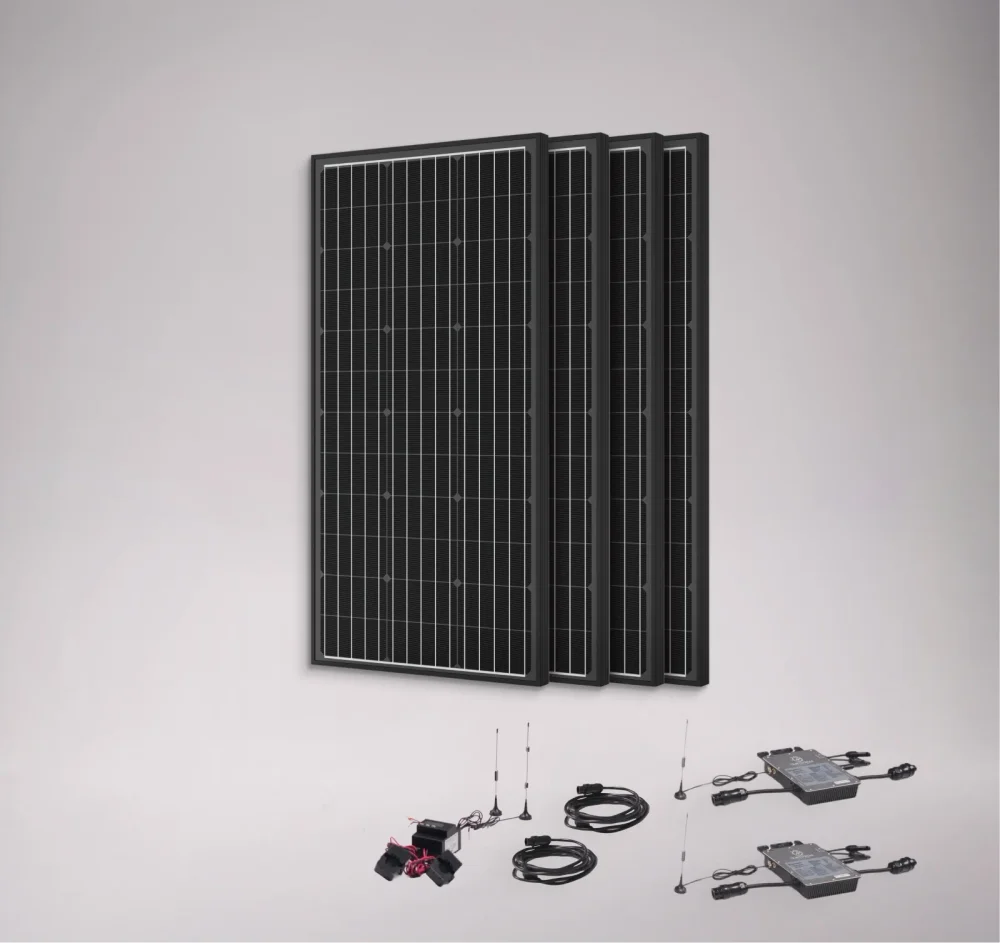
What you get: Four 200W panels, two inverters, mounts, cables and a meter.
Why you might pick it: It bundles panels, mounts and a meter in one purchase.
Price: $1,500.00. The panels add up to 800W.
Watch out for:
Craftstrom does not accept general returns after shipment. You can cancel for a full refund before then. Damaged, defective or incorrect items follow a separate claim process; legal and warranty rights still apply.
Make sure the kit is allowed where you live before it ships.
Get a quote for installing the meter.
Battery: We have not confirmed a supported battery combination.
Power outage: Outage operation is not established in the documentation we reviewed.
Before you buy: Get the inverter model numbers, the safety certificate for the whole kit and a meter installation quote.
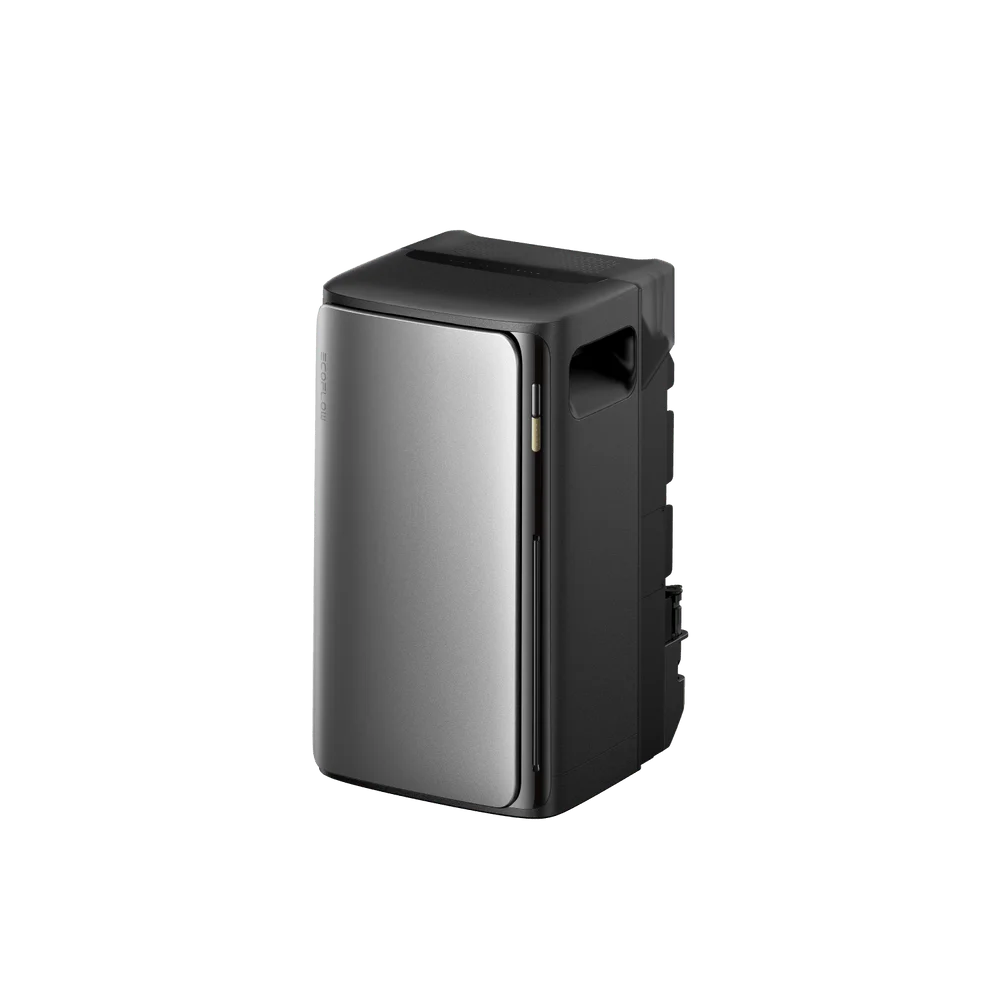
STREAM Ultra shown. Panels and the optional separate microinverter are not pictured. Photo: EcoFlow ↗
What you get: A battery with an inverter built in. It has a listed storage capacity of 1.92 kWh. The second choice adds another inverter for $200 more. The bundle has a higher advertised grid-connected output; this is not a comparison of backup power.
Why you might pick it: It’s the only choice here that stores solar power for later.
The product page names several states. But its help page says Utah only. Get the setup steps for your state in writing before you order.
Some app features may cost money. Check the ones you want.
The U.S. return policy describes a 30-day window and requires original packaging. Transaction or shipping fees may apply. Confirm when the window starts and which conditions apply to your order.
Battery: Built in. EcoFlow says the second inverter works with it. We have not confirmed compatibility with an existing EcoFlow DELTA battery.
Power outage: EcoFlow describes powering appliances through the unit’s own AC outlets during an outage. This does not establish backup through your home’s wired circuits.
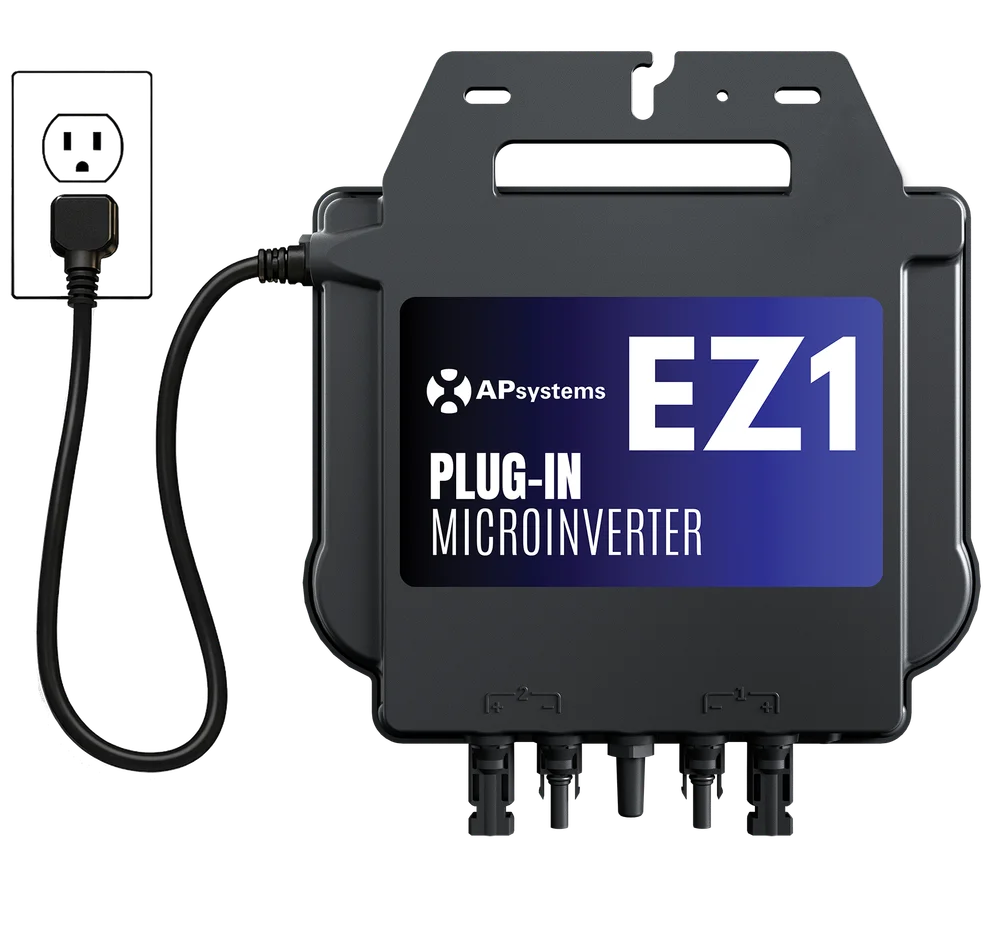
APsystems EZ1: an inverter for panels you already have
Inverter and cord shown. Panels and mounts are separate purchases. Photo: APsystems ↗
What you get: An inverter and a 5 m (about 16 ft) power cord. Panels are sold separately.
Why you might pick it: You already own panels, or you want to choose your own.
Price: $325.00. Advertised AC output: 900VA. Volt-amperes (VA) measure apparent power; this rating should not be treated as interchangeable with watts.
Watch out for:
Panels and mounts cost extra. Add them up and compare the total with a full kit.
Some homes need the APmeter. It costs $90. It controls how much power goes back to the power company. See our meter guide.
Setup costs are extra.
You can return it only if it’s unused and in its box. Ask how long you have.
It has a 12-year warranty.
Battery: We have not confirmed a supported battery combination.
Power outage: Outage operation is not established in the documentation we reviewed.
Before you buy: Ask APsystems to confirm in writing that it works with your panels. APsystems describes CSA certification to UL 3700. We have not independently matched that record to the exact system you would receive.
Panels, stands, inverters and cables shown. The gateway box is not pictured. Photo: Mango Power ↗
What you get: Four 300W panels, stands, cables and a gateway box.
Why you might pick it: It includes 1,200W of rated panel capacity, the largest panel total in this comparison. That alone does not establish higher savings.
Price: $2,698.00. The four listed 280VA units add up to 1,120VA of nominal AC output.
Watch out for:
The gateway manual calls for an electrician to install it. Get that price before you compare this kit with others.
The S Pro statement concerns components of a different model. It does not establish certification for this complete S 120V kit.
The U.S. direct-order policy allows return requests within 30 days of receipt, subject to authorization and condition rules. Fees may apply.
Battery: We have not confirmed storage compatibility for this kit.
Power outage: Outage operation is not established in the documentation we reviewed.
Before you buy: Get the electrician’s price, a quote naming each part and the certification record for the complete kit.
A cheaper kit doesn’t always earn back its cost sooner. Savings depend on how much sun you get, how much of the solar power you use at home and how your power company bills you. Try our cost and savings worksheet.
Will it work with what you already own?
What we know:
Panels: The APsystems EZ1 is sold without panels. APsystems has to confirm it works with yours.
Batteries: EcoFlow says the STREAM Ultra works with its STREAM Microinverter. Bright Saver offers no battery. For the other kits, we have not confirmed a supported battery combination.
What we don’t know:
Whether the STREAM Ultra works with an EcoFlow DELTA battery you already own.
Whether any of these kits can be used in a home that already has solar panels on the roof.
Whether any of them can be used with a backup generator.
Before you buy, send the maker the model numbers of everything you own. Ask them to say in writing that it all works together. Plugs that fit or the same brand name are not enough. Our battery guide has more.
Before you order
Check the rules. Make sure the kit is allowed where you live. Measure the space. Find out if you need mounts or an electrician.
Get the full price. Ask for one quote with model numbers, every part and every extra.
Check the safety certificate. Ask for the certificate that covers the whole kit. One for a single part is not enough.
Read the order rules. Check current availability and delivery terms with the seller. Get the cancellation deadline, return rules and any fees in writing.
Does the solar power only go to the outlet it is plugged into?
In a permitted grid-connected setup, solar electricity can offset electricity used by household loads while the panels are producing. Which loads can use it depends on the wiring and system. The grid supplies any shortfall. See our meter guide.
What happens if my panels make more power than my home is using?
Depending on the system, surplus electricity may flow to the grid, charge compatible storage or cause the system to reduce production. Your meter and utility rules determine how exports affect your bill. Do not assume you will receive credit; some meters may record exports as consumption. Check with your utility before estimating savings.
About this guide
We looked at seven offers from five brands on Oct. 5, 2026. We did not test them. We don’t get paid for links. AI helped with research and editing. Report a mistake.